

Latest issue
Sent: August 31, 2026

Global Action Community Newsletter
Despite decades of progress, globally about 20% of the world’s adult population continues to smoke. Within that figure, about 80% of the world’s tobacco users live in low- and middle-income countries.
In wealthier countries, smoking rates are often lower than the global average, but smoking has become more concentrated among certain populations. For example, military veterans, people with substance use disorders or serious mental health conditions, people in rural areas, members of the LGBTQ+ community, and racial or ethnic minorities all face higher smoking rates.
Why is smoking so dangerous?
Smoking exposes the body—particularly the lungs and cardiovascular system—to thousands of chemicals, many of which are harmful to human health. About 70 of these compounds are known to cause cancer. These chemicals come from burning tobacco, which is the main component of cigarettes.
Tobacco also contains nicotine, which is an addictive stimulant. Nicotine isn’t safe either: It raises the heart rate and creates a dependency that can be challenging to quit. However, nicotine is not the part of smoking combustible cigarettes that cause disease and death.
Nicotine in tobacco is what causes smoking to be addictive, but the vast majority of health complications related to smoking come from the thousands of other compounds in combustible cigarettes. In other words, nicotine addiction is what keeps people smoking, and it is the repeated exposure to harmful compounds that result from combustion that leads to disease and early death.
I’ve been smoking for years and I haven’t been able to quit. Is there anything I can do?
First of all, remember that you are not alone. It takes many people several quit attempts before they are able to successfully kick the habit. Recognize that if you quit and return to cigarettes, it’s not a failure—it’s a useful lesson in what doesn’t work for you.
Second, remember that it’s never too late to quit smoking! No matter how long you’ve been smoking, quitting can help you reduce your long-term risks over time for conditions including heart disease, stroke, chronic obstructive pulmonary disease, and many types of cancer.
If you haven’t been able to quit entirely using traditional smoking cessation methods, tobacco harm reduction may be able to help.
Tobacco harm reduction is the practice of using products that pose less of a health risk than combustible cigarettes. Non-combustible products such as snus, nicotine pouches, and e-cigarettes carry substantially lower health risks than smoking, though they are not risk-free. Major health authorities agree that for adults who smoke and have not been able to quit, switching to these reduced-risk products entirely can lower long-term health risks.
That said, because nicotine is addictive and not risk-free, youth must be protected from nicotine addiction and must not be able to access these products.
What is tobacco harm reduction?
Tobacco harm reduction is a life-saving public health strategy for people who cannot or will not quit smoking combustible cigarettes using traditional methods like nicotine replacement therapy or pharmaceutical interventions.
For an adult who smokes, switching entirely to nicotine pouches or other less risky nicotine products is a form of tobacco harm reduction.
However, youth must be protected from nicotine addiction and therefore should not be able to access or use pouches or any other form of nicotine.
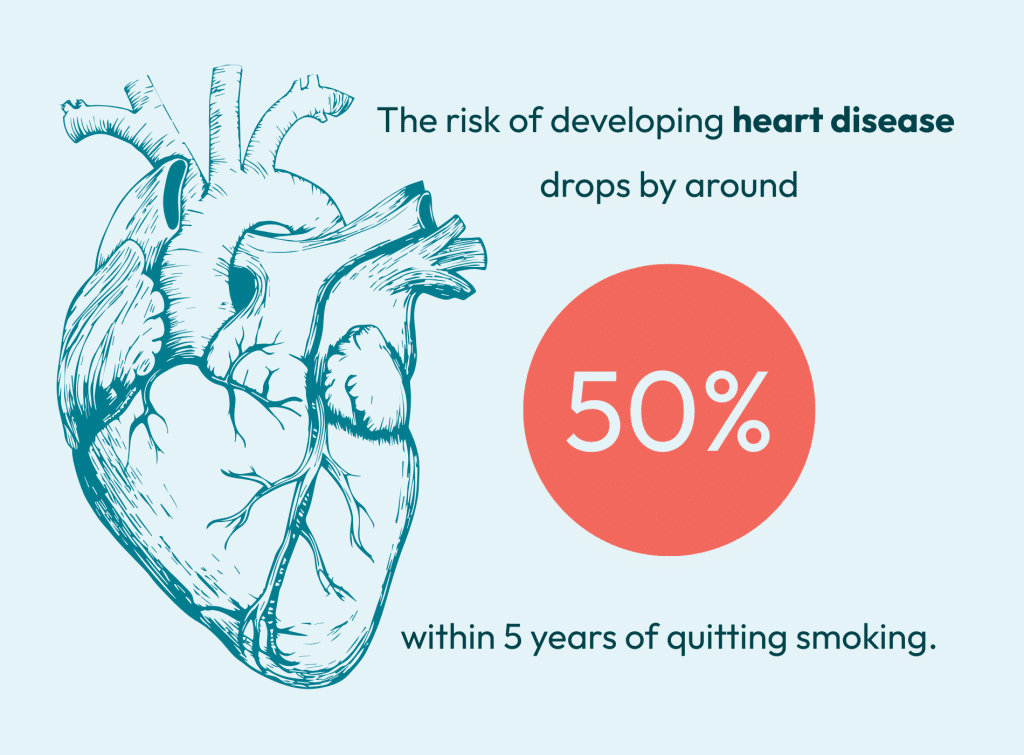
Read the full study here. Global Action to End Smoking is not affiliated with this work.
By THE NUMBERS
32.5%
The relative decrease in smoking rates among men and women from 1990 to 2020. Globally, about 1 in 5 adults continue to use tobacco.
Read the full study here. Global Action was not affiliated with this work.
Grantee spotlight
Knowledge Action Change recently published its 2026 situation report, which focuses on the tobacco harm reduction landscape from January 2025 through early 2026. The report finds rising use of less risky nicotine products has coincided with declining smoking prevalence across 28 countries; in five countries, these products have overtaken combustible use.
“As we approach the 2030s, will it be a long goodbye to combustible tobacco products? Or will the momentum behind the transition to safer products only continue to accelerate?”
—GSTHR Situation Report 2026, funded by a grant from Global Action to End Smoking.
Please note the views expressed in this report reflect those of Knowledge Action Change and not Global Action to End Smoking.
Thank you for your support
Global Action is one of the only public health groups to embrace tobacco harm reduction as a means of meeting adults who smoke where they are, showing them empathy in their individual cessation journeys, and helping them—if they cannot or will not quit—to reduce their risks of death or disease from combustible cigarettes.
Your support increases the impact our grantees’ work can have on this cause. Together, we can build a future where no one suffers from tobacco-related disease.
Thank you for your support in the fight against smoking.
Get to Know Global Action
Global Action has awarded more than 175 grants to institutions that support the work of over 100 scientists, covering 46 countries on four continents.
Our organization is an independent, U.S. nonprofit 501(c)(3) grantmaking organization whose mission is to end combustible tobacco use, which remains the leading preventable cause of death globally. Through September 2023, Global Action received charitable gifts from PMI Global Services Inc. Global Action does not seek or accept funding from companies that produce tobacco or non-medicinal nicotine products.
To learn more about our work, visit our website.
Disclaimer: This newsletter does not provide medical advice. The information, including but not limited to, text, graphics, images and other material contained in this newsletter are for informational and educational purposes only and does not constitute providing medical advice or professional services. No material in this newsletter is intended to be a substitute for diagnosing or treating a health problem or disease. Those seeking personal medical advice should consult with a licensed physician or other qualified health care provider. Always seek the advice of your licensed physician or other qualified health care provider regarding a medical condition or with any questions you may have regarding treatment and before undertaking a new health care regimen. Never disregard professional medical advice or delay in seeking it because of something you read in this newsletter. No physician-patient relationship is created by this newsletter. Global Action doesn’t make representations, express or implied, with respect to the information provided here.
Sign up to receive
our monthly newsletter
Newsletter Archive
Issue #21– July 31, 2026:
Issue #20– June 30, 2026:
Issue #19– April 30, 2026:
Issue #20– May 29, 2026:
Global tobacco use is at an all-time low. Now is the time to accelerate progress further.
Issue #18– March 31, 2026:
Issue #17– February 27, 2026:
Issue #16– January 30, 2026:
Issue #15 – December 2, 2025:
Issue #14 – October 31, 2025:
Issue #13 – September 30, 2025:
Issue #10 – June 30, 2025:
Issue #9 – May 30, 2025:
Issue #8 – April 28, 2025:
Issue #7 – March 28, 2025:
Tobacco Harm Reduction Helps People Quit
Issue #6 – February 28, 2025:
Smart Nicotine Policy is a Social Justice Issue
Issue #5 – January 31, 2025:
You’re making progress.
Issue #4 – December 20, 2024:
Advancing science to help people who smoke quit.
Issue #3 – November 26, 2024:
Public Health has to Embrace Complexity to Move Forward
Issue #2 – October 24, 2024:
Read Science like a Scientist
Issue #1 – September 23, 2024:
Welcome to our Community Newsletter